A brewery dray creaks over wet cobbles in 1900, two heavy horses pulling a few barrels. Seventy years later, a Leyland Marathon runs overnight from Liverpool to London, and today a 44-tonne articulated lorry rolls off the M6 at dawn with a trailer full of palletised goods. The distance between those scenes is the story of UK road haulage: a tale of law, engineering, and the stubborn need to move things from one place to another.
Horse Power, Literally
For most of the nineteenth century, road haulage meant horses. Railways took the long-distance bulk traffic, but almost everything else moved by cart, wagon, and dray. Brewers, coal merchants, bakers, and market traders ran their own stables. A four-wheel wagon with a pair of horses could shift a couple of tonnes on a good road; a heavy dray might need three or four horses to start a load.
These vehicles were not crude. Wheelwrights, blacksmiths, and harness makers built to last. A coal cart had to tip; a brewery dray had to carry barrels; a furniture van had to keep rain off. The routes were short—typically within ten or fifteen miles of the yard—because a horse could only do so much in a day. When the motor lorry arrived, it inherited those routes and those customers.
Steam Wagons and the Red Flag
Steam power reached the road before the internal combustion engine. From the 1860s, traction engines hauled trailers; by the 1900s, purpose-built steam wagons from Foden, Sentinel, and Garrett were common. They were strong and simple, but heavy, thirsty, and slow. A crew of two might spend as much time raising steam and taking on water as driving.
The law made things worse. The Locomotives on Highways Act 1865—often remembered as the Red Flag Act—required a man on foot carrying a red flag ahead of a self-propelled vehicle, and kept speeds down to walking pace. It was amended in 1896, when the red flag was dropped and the speed limit rose. That change helped petrol and diesel vehicles as much as steam. Steam wagons lingered into the 1930s, especially for heavy haulage, but they could not match the flexibility of the new diesel lorries.
The Diesel Lorry Takes Over
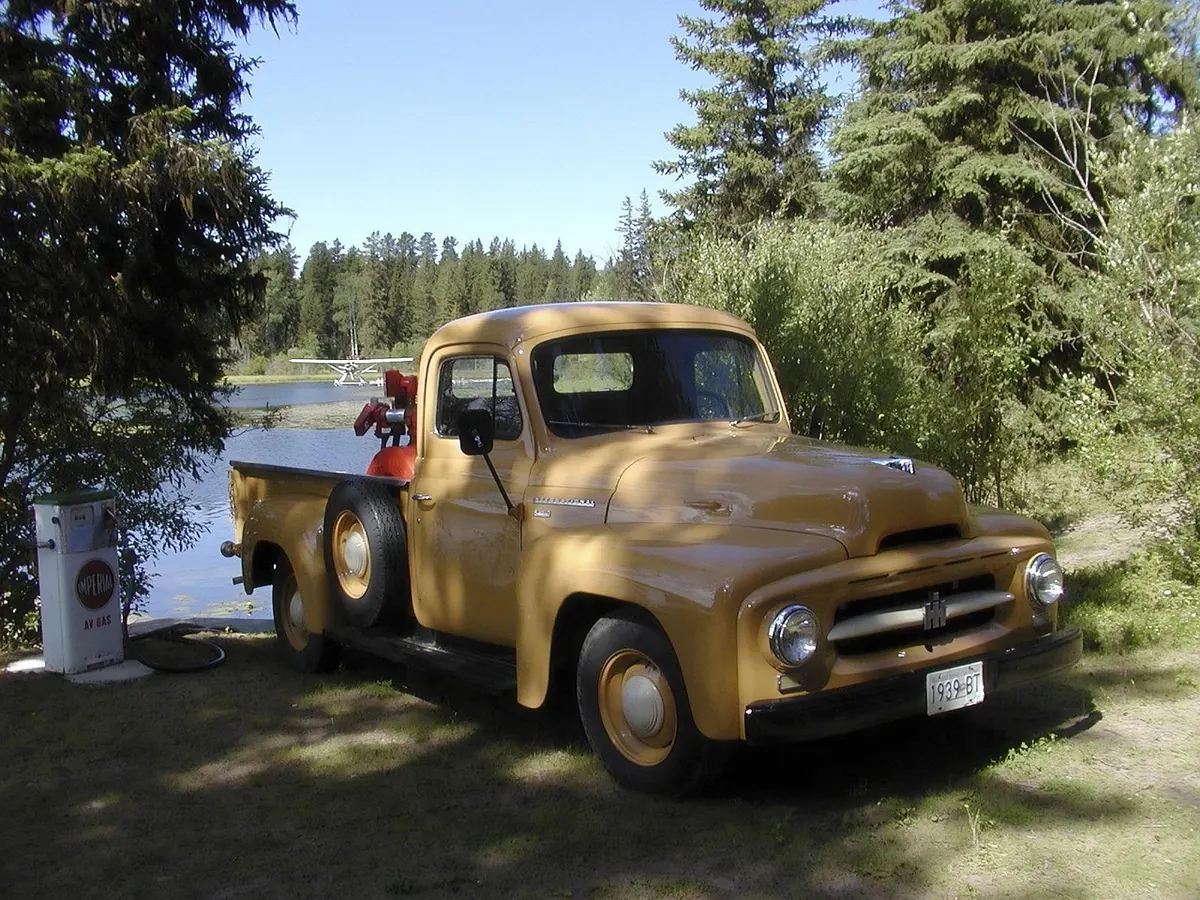
Early lorries ran on petrol, and they were noisy, thirsty, and often unreliable. Diesel changed the calculation. A diesel engine produced more torque at low revs, burned less fuel, and lasted longer. By the 1930s, makers such as Leyland, AEC, and Foden were offering diesel engines; after the Second World War, diesel became the default for anything bigger than a light van.
Post-war lorries were still basic by modern standards. Cabs were cold, noisy, and often had no heater. Solid tyres gave way to pneumatic tyres, which improved grip and ride. Hydraulic brakes replaced mechanical rods. The 1947 Transport Act nationalised long-distance road haulage under British Road Services, before denationalisation in the 1950s returned much of the industry to private operators. Through it all, the lorry became the flexible link between factory, railhead, dock, and shop.
Motorways Change the Map
The M1 opened in 1959, and the motorway network that followed—M6, M5, M4, M62—redrew the haulage map. Before motorways, a long run meant A-roads through towns, roundabouts, and level crossings. After them, a driver could cover 200 miles in a shift. Depots moved to junctions; overnight trunking became routine; service areas became informal meeting places for drivers.
Motorways did not just make journeys faster. They made larger vehicles practical. A lorry that could run at a steady 56 mph needed better brakes, better tyres, and better cab comfort. The motorway age also brought more regulation: plating and testing, tachographs, and driver hours. The freedom of the open road came with paperwork.
The Articulated Lorry and the Distribution Revolution
The articulated lorry—tractor unit and semi-trailer—was not new, but it became the workhorse of UK haulage in the 1960s and 1970s. Its advantage is simple: the tractor can drop one trailer and pick up another. That flexibility suits depots, ports, and factories. By the 1980s, 38-tonne artics were common; later the UK limit rose to 44 tonnes for six-axle combinations, and the artic became the standard tool for trunking, retail distribution, and container movements. Rigid lorries still matter for local delivery, tipper work, and specialist jobs, but the artic is the symbol of the modern long-haul fleet.
The Pallet, the Container, and the Warehouse
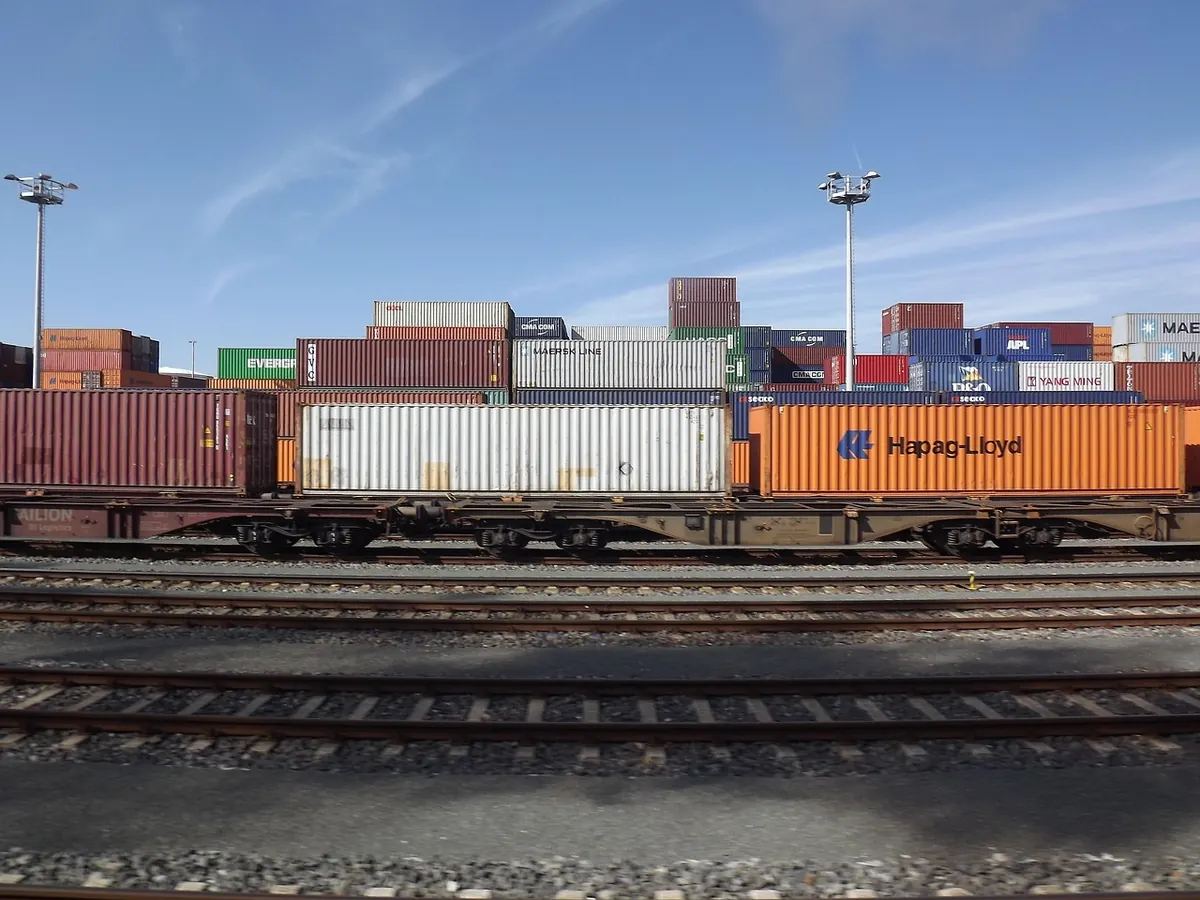
Two innovations did as much as any engine to reshape haulage: the pallet and the shipping container. The wooden pallet, moved by forklift, allowed goods to be grouped into a single load that could be shifted from factory floor to lorry to warehouse without being handled piece by piece. The steel container, standardised in the 1960s and 1970s, did the same for international trade. A container could leave a ship at Felixstowe or Southampton, be lifted onto a skeletal trailer, and travel by road to a distribution centre in the Midlands.
The result was a new geography of logistics:
- Large distribution centres replaced small town warehouses.
- Road haulage became the link between ports, railheads, and high streets.
- Trailer parks and overnight trunking hubs grew near motorway junctions.
- Drivers spent less time loading by hand and more time waiting at bays.
Not every change was welcome. The work became faster but more measured, with barcode scans, timed slots, and delivery windows. The old image of the driver helping to hump sacks gave way to a world of tail-lifts, pallet trucks, and paperwork.
Rules, Tachographs, and the Modern Driver
As lorries grew heavier, the law grew tighter. Speed limiters, plating and testing, tachographs, and driver hours were designed to make the roads safer. The tachograph, first mechanical and later digital, recorded speed, distance, and rest periods. Drivers had to take mandatory breaks and keep to daily and weekly driving limits. The Driver Certificate of Professional Competence, introduced in 2009, added periodic training to the job.
Modern haulage is also cleaner and more connected. Euro-6 engines cut emissions sharply compared with the smoky diesels of the 1970s. Telematics tracks fuel use, route choice, and driver behaviour. Electric and gas-powered lorries are appearing on shorter routes, while hydrogen and battery-electric prototypes aim at the long-haul market. The cab may still be a workplace, but it is now a computerised one.
What has not changed is the essential bargain. Goods must move, often overnight, often on tight schedules. From the brewery dray to the 44-tonne artic, UK road haulage has always been a response to that simple demand—and a mirror of the technology, law, and economy of its time.
Photo: Wolfgang Vrede / Pexels