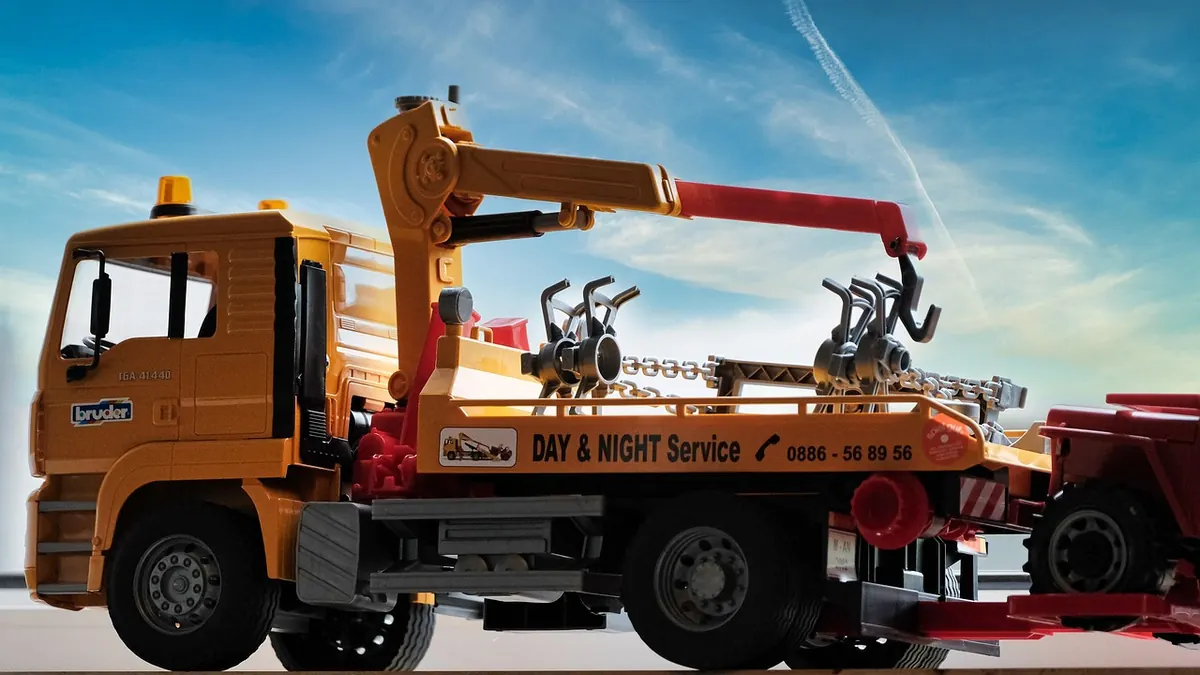
Ten o'clock at night is a bad time to start looking for a place to sleep. The lot you counted on is full, the fuel island is jammed, and your clock is nearly done. A good overnight spot isn't luck. It's a habit built from a few tools, a little knowledge of the rules, and one or two backup plans you keep in your pocket.
Plan the Stop Before You Get Tired
Pick your target before noon, not at hour ten. Look at your remaining drive time, then choose a stop that leaves you a cushion instead of a scramble. If you plan to shut down at the two-hundred-mile mark, you'll almost always find a space. If you plan to shut down wherever the clock runs out, you're gambling.
A few tools make this easier. The major truck stop chains have apps that show amenities and, at many locations, how many spaces are open. Driver-report apps are useful because the information comes from people who were just there, though it can be hours old by the time you arrive. Satellite views tell you what a lot really looks like: where the trucks park, where the entrance is, how tight the turns are. State transportation websites list rest areas and weigh stations along your route.
Write down three options for the night: the one you want, the one five miles down the road, and the one you'll take if everything else fails. Then fuel before you park. Rolling into a spot with a full tank means a fast, quiet start in the morning.
Rest Area Rules You Need to Know
Rest area rules are set by the state and sometimes by the individual site, so there's no single national answer. The sign at the entrance is the authority, not what another driver told you last month. Some states allow trucks to stay overnight. Others post a maximum stay of a few hours and enforce it. A few prohibit commercial vehicles from overnighting entirely.
Read the whole sign, not just the part you like. Look for posted time limits, idling restrictions, and any note about commercial vehicles. Enforcement is usually handled by state patrol or the transportation department, and a knock on the door at 2 a.m. is not the wake-up call you want.
Weigh stations are a mixed bag. When they're closed, many allow parking, but "closed" doesn't automatically mean "open for overnighting." Some states bar it, and some lots are too small to be safe with a full row of trucks. If you're unsure, call the state DOT or ask a driver who runs that lane regularly.
Paid Parking: When It's Worth the Money
Reserved parking is now common at larger travel centers. You can often book a space through a chain's app or at the counter, and the spot is held until a stated time. Miss that window without calling, and you may lose the fee. Rates move with demand, so a Tuesday in a quiet corridor costs far less than a Friday near a port.
Weekly and monthly passes can make sense if you run a predictable route and hit the same locations. Loyalty programs sometimes offset part of the cost through points or fuel purchases, which is worth factoring in if you're already buying there.
Pay for the spot when the alternative is circling for an hour, parking somewhere questionable, or risking a citation. Treat it as part of the cost of the load. Keep receipts, especially if you write off parking as a business expense, and check with a tax professional about what qualifies in your situation. Don't hand cash to a stranger for a space in a private lot unless you get a receipt and know the lot is legitimate.
Safety Habits That Make a Difference
Most problems at overnight stops are avoidable with a few minutes of attention. Park among other trucks rather than alone in a dark corner. Pull through or park nose-out when you can, and if you have to back in, do it while there's still light and people around to see you.
Walk the lot before you shut down. Look for broken glass, puddles that hide potholes, low clearance signs, and debris that can slice a tire. Note the space number or a landmark near your rig so you can describe your location if you need help.
A short routine before sleep covers the essentials:
- Lock the doors, close the windows, and draw the curtains once you're settled.
- Keep your phone charged and a charger within reach.
- Save the lot's address, your space number, and a roadside assistance number in your notes.
- Move anything valuable out of sight, including paperwork and electronics.
- If the lot feels wrong, leave. A gut feeling is cheaper than a broken window.
Etiquette: Small Things That Keep Lots Open
Park straight and take one space. Angled rigs create phantom gaps that no one can use, and a truck parked across two spots can push the last arrival onto the shoulder. Don't block fuel lanes, dumpsters, doors, or the path to the shop. If the lot asks drivers to pull forward after fueling, do it.
Keep idling reasonable and follow posted idle rules. Your neighbor's reset matters as much as yours. Take your trash with you; a lot that stays clean is a lot the company keeps open for trucks. If you're using the facility, buy something, whether it's a shower, a meal, or fuel. That spending is what keeps parking free for everyone.
Reefers belong in designated areas or as far from sleeping trucks as the lot allows. And if someone blocks you in, talk to the counter instead of the driver's mirror. Most conflicts end at the desk.
Backup Plans When the Board Reads Full
Every driver needs a plan B, and sometimes a plan C. Ask the receiving facility whether you can park in their yard overnight, and ask the guard rather than assuming. Some shippers allow it, some don't, and a phone call ahead of time saves an argument at the gate.
Other options include casino lots that permit truck parking, closed weigh stations where it's legal, industrial streets with wide shoulders where local rules allow, and store lots where company policy permits it. Always check signage and ask permission where you can. Parking illegally invites a citation or a tow, and both cost more than a paid spot.
Timing is its own backup plan. Drivers who start early often finish early, which means arriving at the lot while spaces are still open and the light is still good. Shifting your day by two hours can solve a parking problem you've been fighting for months.
A Repeatable Overnight Routine
Build a routine and the search stops feeling like a gamble. Pick your target stop in the morning. Note two alternates. Fuel before you park. Arrive with daylight to spare when you can. Walk the lot, park among other trucks, and lock up. Log the location and the quality of the stop so next month you already know where to go.
Do that for a few weeks and you'll notice something useful: the stress fades, the citations stop, and you sleep better. Parking isn't the glamorous part of the job, but it's the part you do every single day. Get it right and the rest of the run gets easier.
Photo: photoscene / Pixabay