Back a tractor under a trailer, drop the kingpin into the fifth wheel, hook up the air lines, and a century of engineering disappears into routine. Nothing about the arrangement feels invented. But the tractor-trailer is a specific answer to a specific set of problems — axle loads, turning circles, loading docks, and the cost of letting a powered vehicle sit idle — and it took roughly thirty years of experiments with wagons, couplers and odd-looking motor trucks before anyone settled on it.
The idea arrived before the engine did
Horse-drawn operators were towing two-wheeled carts behind larger wagons long before anyone built a truck. The hardware even survives in the name: the fifth wheel is a carriage part, a horizontal plate that let a wagon's front axle pivot under the body. So when motor trucks appeared in the 1890s and 1900s, hitching a wagon behind one was the obvious first move.
Alexander Winton, the Cleveland bicycle maker turned car manufacturer, is often credited with an oil-hauling truck-and-trailer combination around 1898. Records from that era are thin enough that "first" is a claim rather than a settled fact, and several builders were experimenting with similar rigs. The more useful question isn't who was first. It's what changed when someone stopped treating the trailer as a dumb box dragged along behind, and started using it to carry part of the load.
Detroit, 1914: the design that stuck
August Fruehauf was a blacksmith in Detroit who had moved into building and repairing wagons and, later, motor truck bodies. The story most often told is that a customer wanted to haul his boat, and Fruehauf built him a low-slung trailer that coupled to the back of a truck with a hitch designed to carry weight rather than just pull.
Whether that was the first true semi-trailer is debated, and it probably wasn't. What isn't in doubt is the outcome. Fruehauf's shop grew into one of the largest trailer manufacturers in the world, and the coupler-and-kingpin layout he helped popularise became the template everyone else copied. Meanwhile, other names — Trailmobile, Great Dane, Utility — built the same idea from different starting points, several of them wagon and carriage shops that simply followed their customers onto the road.
Why it's called a "semi"
The word confuses people, so it's worth unpacking. A full trailer carries its own weight at both ends: front axle, rear axle, complete vehicle. A semi-trailer has no front axle. Its nose rests on the towing vehicle, which means half its support — and a good share of its weight — is transferred to the tractor.
That one decision explains most of the vocabulary that followed:
- Semi-trailer — a trailer that is only partly self-supporting.
- Fifth wheel — the horseshoe-shaped plate on the tractor that the trailer's kingpin locks into, named after its carriage ancestor.
- Kingpin — the steel pin under the trailer's nose that does the actual holding.
- Tractor — the powered unit, which may carry no cargo at all except the weight pressing down on its drive axles.
- Articulated lorry — the British term, shortened to "artic" in everyday speech, for exactly the same thing.
Standardising a patchwork
Through the 1920s and 1930s, the tractor-trailer spread because it solved a business problem rather than a technical one. A straight truck ties up its engine, cab and driver for as long as a load takes to move. A tractor can drop a loaded trailer at a dock, pick up an empty, and keep working. One power unit can serve several trailers, and when something breaks you replace half a rig instead of a whole one.
The hardware took time to settle. Couplers varied, landing gear was improvised, and brake connections were basic. State weight and length limits were a patchwork, which is why photographs of early rigs look so strange — short trailers, extra axles, cab-over designs built to squeeze length out of the tractor. In the United States, bringing interstate motor carriers under federal regulation in the mid-1930s gave the industry a reason to converge on common dimensions, and by the end of the decade the basic layout looked recognisable to anyone today.
War, then highways
The Second World War pushed trailer production into mass manufacturing, and standardised designs came out the other side. The bigger shift arrived in 1956 with the interstate highway programme, which made long-haul trucking practical at a scale the old two-lane network never allowed. Trailers got longer as states aligned their rules, and by the 1980s and 1990s the 53-foot box had become the default on the national network.
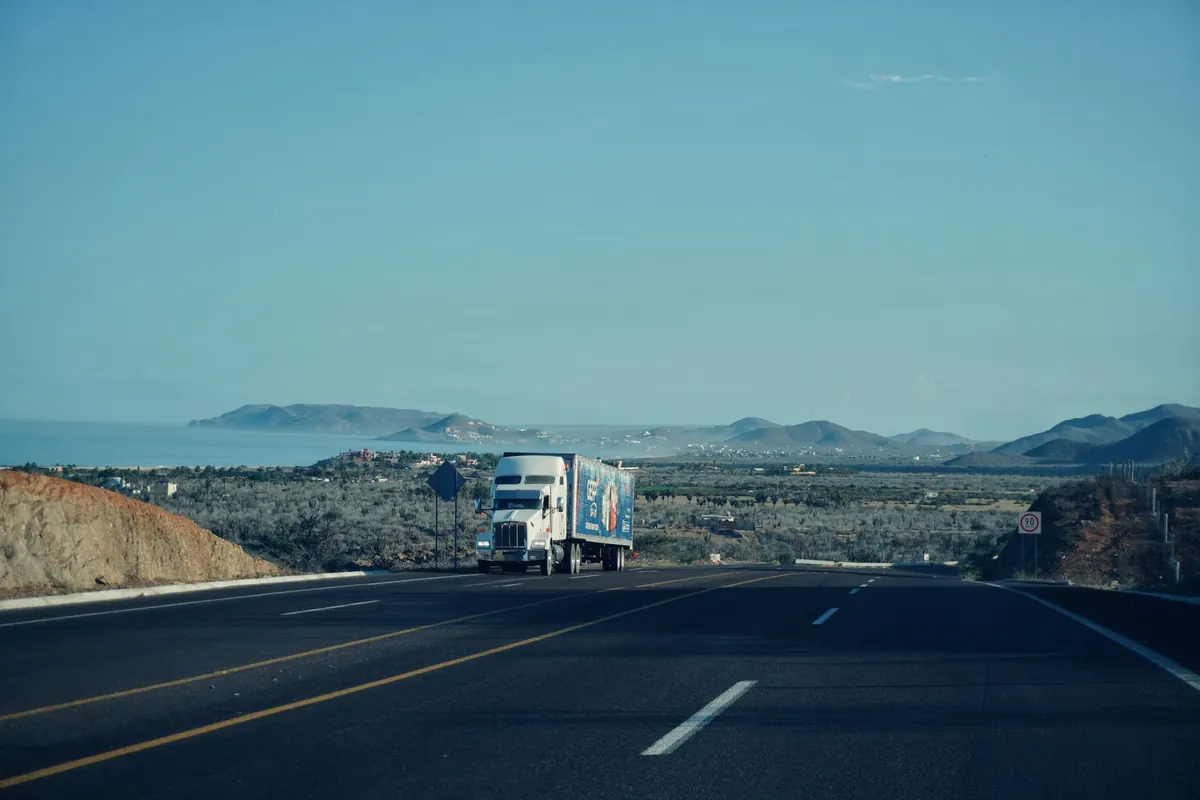
Cab-over-engine tractors dominated for a while, because length limits counted the whole rig. When those rules loosened, conventional tractors with a hood came back, and the modern shape of a long-nose tractor pulling a long van settled in. The proportions changed. The principle didn't.
What the old rigs still teach
If you drive, spec or load these vehicles, the history is practical rather than decorative.
- Weight placement is the whole game. The reason a semi works is that load presses down on the tractor's drive axles. Load it wrong and you lose traction and steering, whatever the engine is doing.
- Check the coupling, not the paperwork. Fifth wheel jaws, kingpin condition, air lines and landing gear legs are the parts that fail in ways nobody walks away from.
- Expect the trailer to cut corners. A semi doesn't track like the tractor. It chews up kerbs and clipping signs on tight turns, and it swings wide at the front when you reverse.
- Respect the length limits where you operate. Rules differ by state, province and country, and a legal rig at home may not be legal fifty miles away.
Nothing about this configuration is inevitable. It survived because it balances two things no other design balances as cheaply: a powered unit that's small enough to manoeuvre and a cargo box big enough to pay for the trip. Every time you watch a driver judge a blind-side reverse into a tight dock, you're watching a hundred-year-old compromise being tested in real time — and, most days, quietly passing.
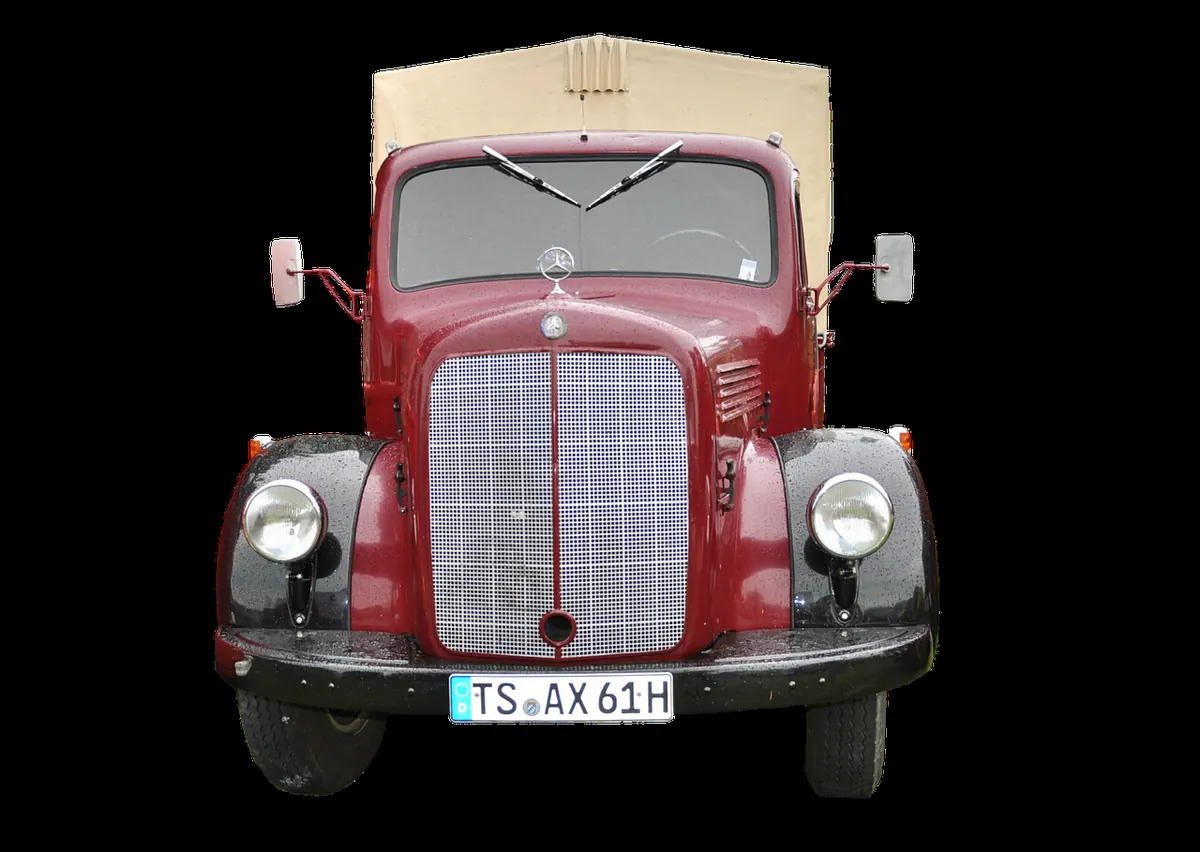
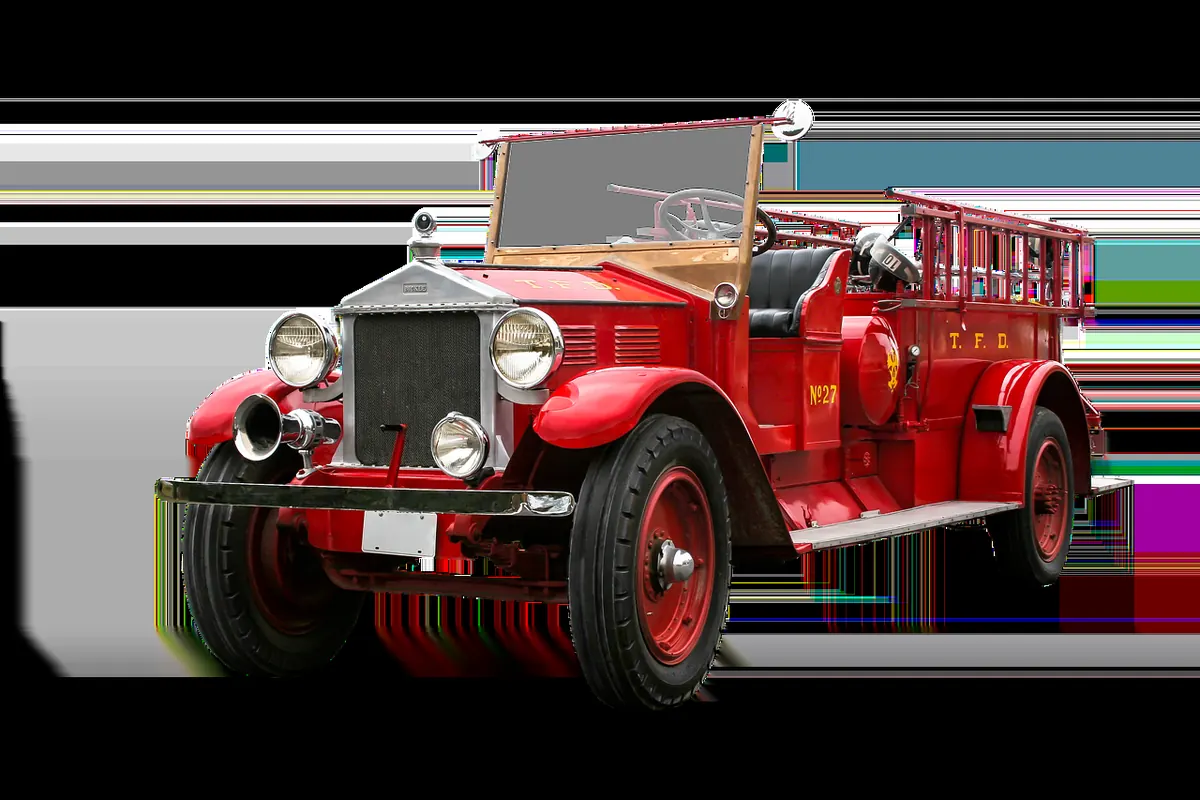
Photo: garten-gg / Pixabay